
Tech Startup Launch Checklist 2026: Idea to First Release
A launch is a sequence of small decisions, not a single heroic weekend. This checklist keeps the first release small enough to finish and useful enough to sell.
A tech startup does not fail because the launch was not polished. It fails because nobody wanted the thing, or because the team spent nine months building a version that could have been tested in three weeks. The launch checklist below is deliberately unglamorous: it is the sequence that gets a small product into real hands while there is still time to change it.
It assumes a team of one to five people, a budget measured in thousands rather than millions, and a first release that earns money or proves demand. Every step has a decision attached, so you can tell whether you are ready to move on.
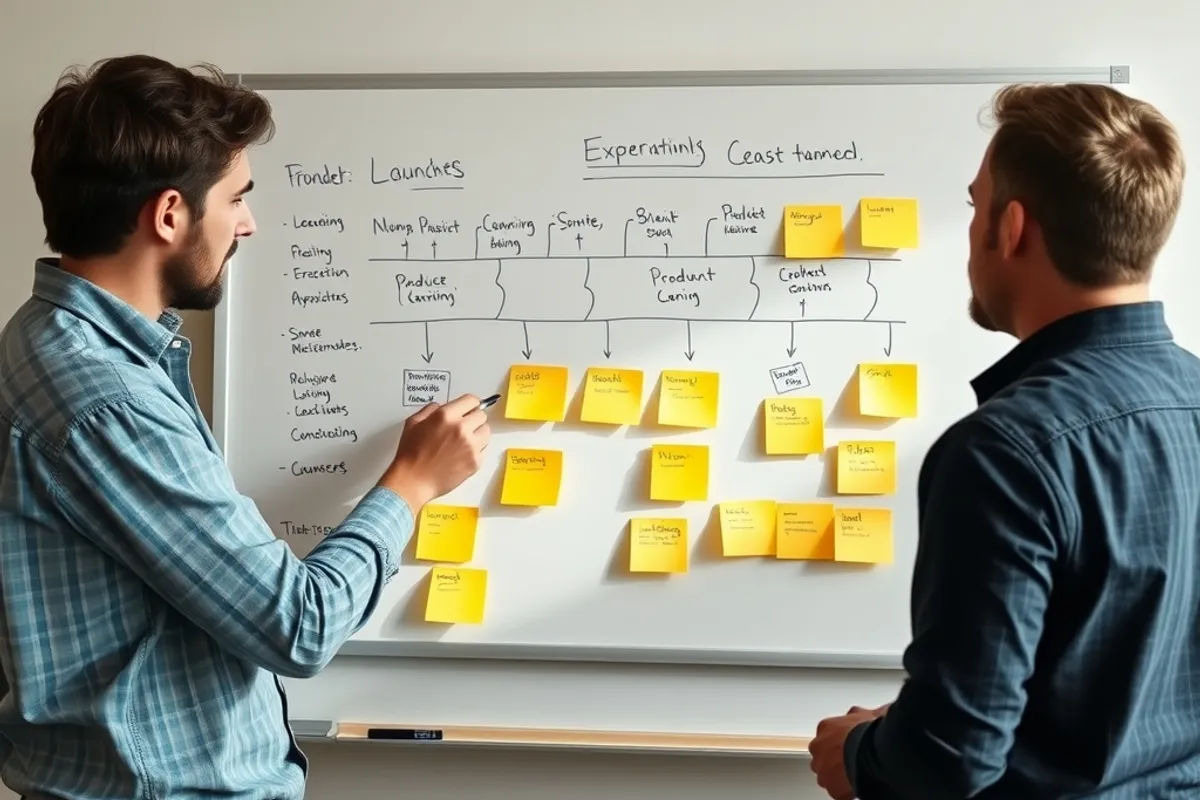
Validate the problem before the product
Talk to ten people who match your target user. Ask what they do today, what it costs them and what they have already tried. Do not pitch. If six of them describe the same painful workaround, you have a problem worth building for. If they politely agree that it sounds useful, you have a hobby.
Write the problem in one sentence, in the customer's words. Then write the smallest outcome that would make them switch. That outcome becomes the scope of the first release. Anything that does not move them closer to it is a later feature, however clever it feels in a planning document.
Scope an MVP you can finish
An MVP is not a broken version of the final product. It is a complete, honest answer to one job. For a booking tool, that might mean one service, one calendar and one confirmation email. For an analytics product, it might mean one data source and one report. The test is whether a real user can finish the job without you standing behind them.
- One primary user and one primary job.
- One way in, one core action, one clear result.
- Manual steps allowed behind the scenes.
- No accounts, roles or settings unless the job requires them.
- A written definition of done, agreed before building starts.
Put every extra idea in a parking lot document. Review it after launch, when real usage tells you which idea matters. Most of it will look less urgent with evidence in hand.
Pricing and payment setup
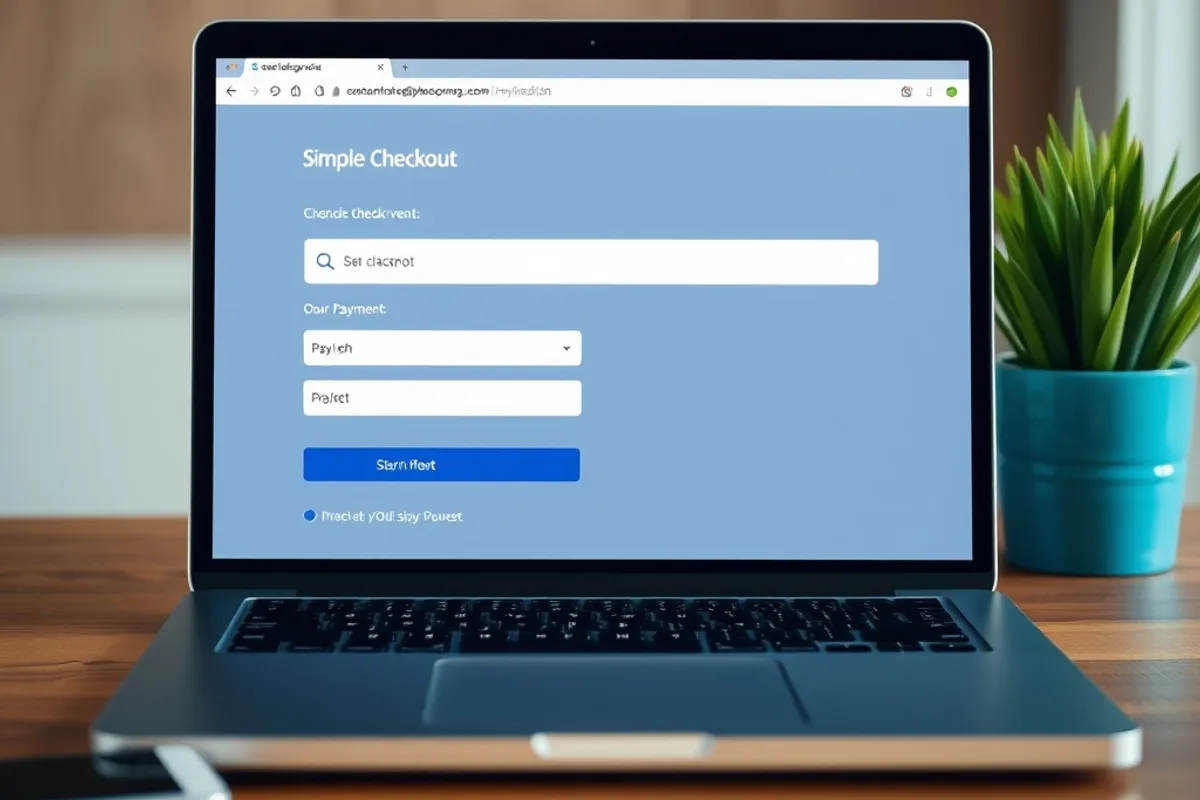
Decide how the first customer pays before you write the landing page. A one-off price is simplest. A subscription needs a clear renewal date and an easy cancellation path. If you are unsure, start higher than feels comfortable and offer a launch discount with a stated end date; it is easier to lower a price than to recover from a cheap one.
Use a payment processor that supports your country and your customers, and test a real transaction end to end, including a refund. Keep business revenue separate from personal money from the first sale. Write down the refund policy in plain language and put it on the checkout page, not buried in a footer.
Build, host and instrument
Choose the simplest stack the team can maintain. A static site plus a small backend and a managed database will carry most early products further than a custom platform. Hosting should include automatic deploys, a staging environment and a way to roll back. If a tool adds a login and a monthly bill without removing work, skip it.
Instrument the few events that describe the core job: visit, signup, first successful action, payment. You do not need a full analytics warehouse. You need to know where people stop. Add error tracking before launch so a broken flow reaches you before it reaches a customer.
Launch is not the finish line. It is the first time the market gets to edit your plan.
Amara Singh
Legal, accounts and support basics
Register the business name, open a business bank account and put a privacy policy and terms page online before you collect data or money. These do not need to be elaborate, but they must match what you actually do with data and payments. If you sell across borders, check the tax rules that apply before the first international order.
Set up a support address that a human reads, and decide the response window you can keep. A shared inbox with a clear subject convention beats a ticketing system nobody checks. Write three canned answers for the questions you already expect, then improve them with real replies.
Key facts
- Validation: ten conversations before a line of product code.
- MVP scope: one user, one job, one measurable outcome.
- Budget: a few thousand dollars is enough for most first releases.
- Payments: test a live charge and a refund before launch.
- Support: one inbox, one response window, three canned answers.
Launch week and the first ten users
Launch to a small group before you announce publicly. Send personal messages to the people you interviewed and ask them to complete the core job while you watch. Fix the first three blockers, then open the doors wider. A launch list of twenty engaged people is worth more than a thousand passive visitors.
Ask every early user two questions: what almost stopped you, and what would you miss if this disappeared tomorrow. Their answers are your roadmap. Do not add a feature because one person asked; add it when the same obstacle appears three times.

After launch: measure, support, decide
Give the first release four weeks of real use before a major redesign. Track activation, repeat use and payment. If people sign up but never reach the core action, the onboarding is the problem. If they reach it once and never return, the job was not important enough, or the product did not become a habit.
Keep the launch checklist alive as a quarterly review. Revisit the problem statement, the scope and the pricing with current evidence. If you are still deciding what to build, read our guide to startup MVP costs in 2026 before you hire anyone. For product measurement, the same discipline in conversion rate optimization applies from day one.
For general small-business guidance, the U.S. Small Business Administration publishes a clear starting checklist. Use it for structure, then keep your product scope smaller than feels impressive.

Final word
A launch is successful when a real person completes a real job and is willing to pay or come back. Everything else is preparation. Keep the first version small, measure the one action that matters and let the market edit the plan.